Baby Gear Safety
How to Buy a Used Stroller Safely
Buy a used stroller only after confirming exact identity, current manual, recall status, complete approved parts, and safe operation.
Check gear against its current manual, intact labels, complete parts, correct fit, approved use, and active recall information. Safety takes priority over convenience.
Buy a used stroller only after confirming exact identity, current manual, recall status, complete approved parts, and safe operation.
Check baby-gear recalls with the exact manufacturer, model, manufacture date or code, serial or lot details, and component identity from permanent labels.
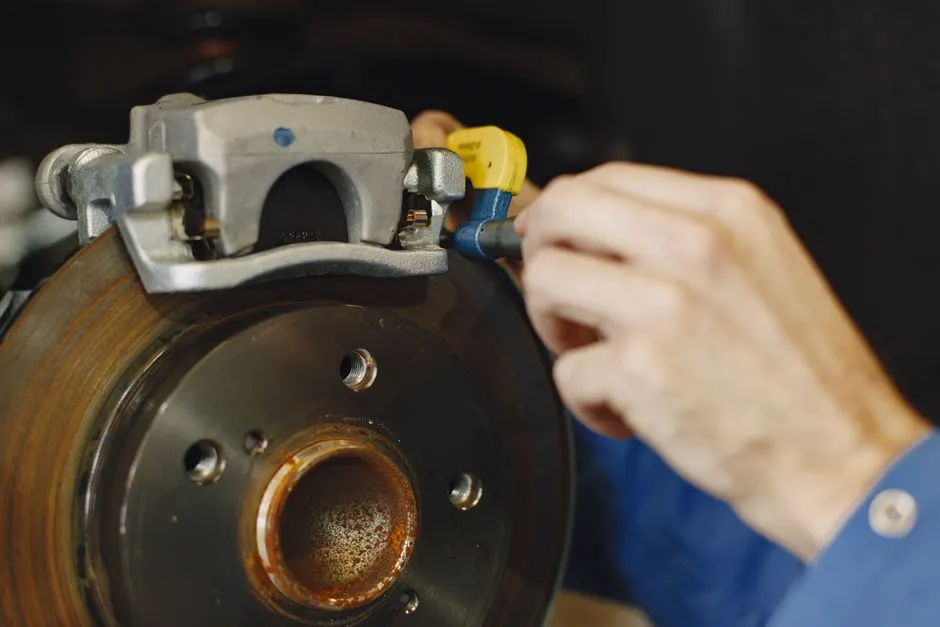
Check a stroller harness and brakes while the stroller is empty and fully locked open.
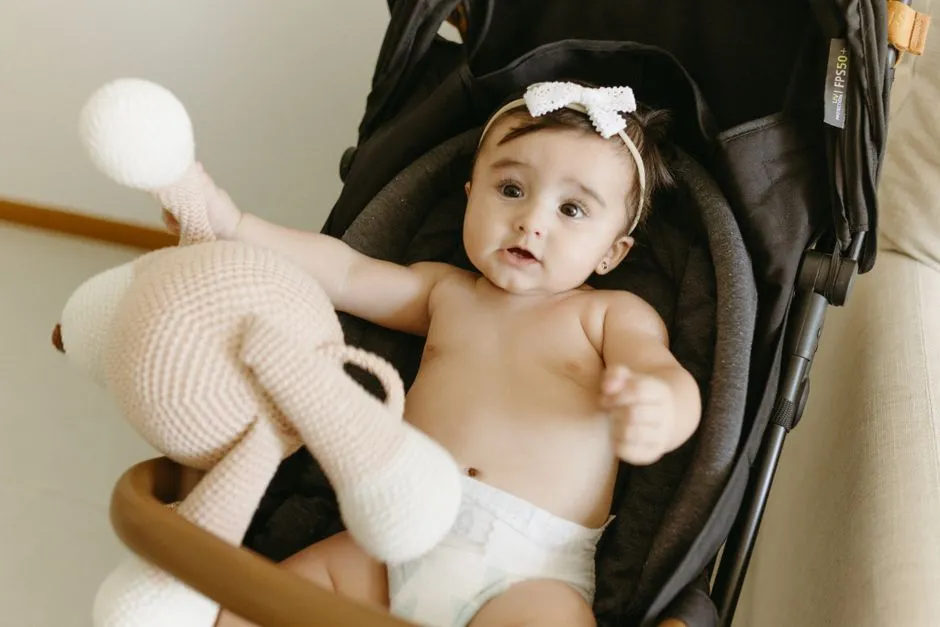
Use a stroller weather accessory only when the exact stroller maker approves it for that model, child setup, and attachment location.
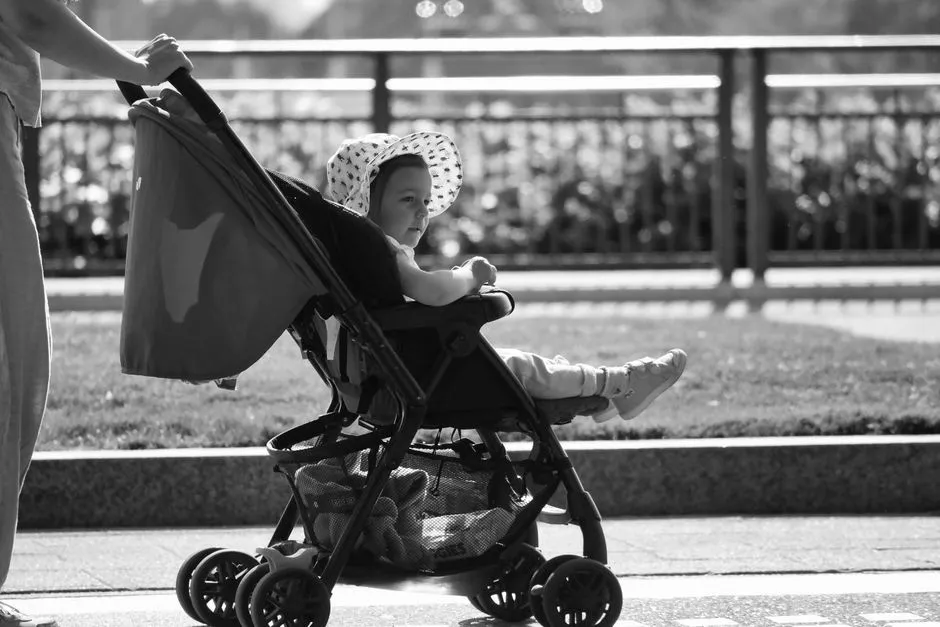
Clean a stroller by exact model instructions. Photograph routing, remove only approved parts, lift loose debris, and use the stated products,…
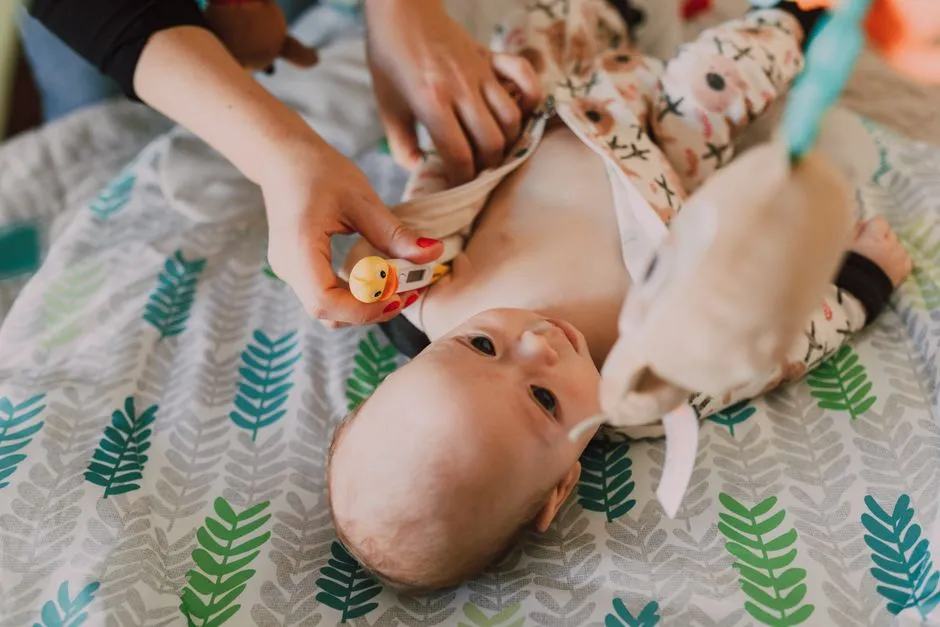
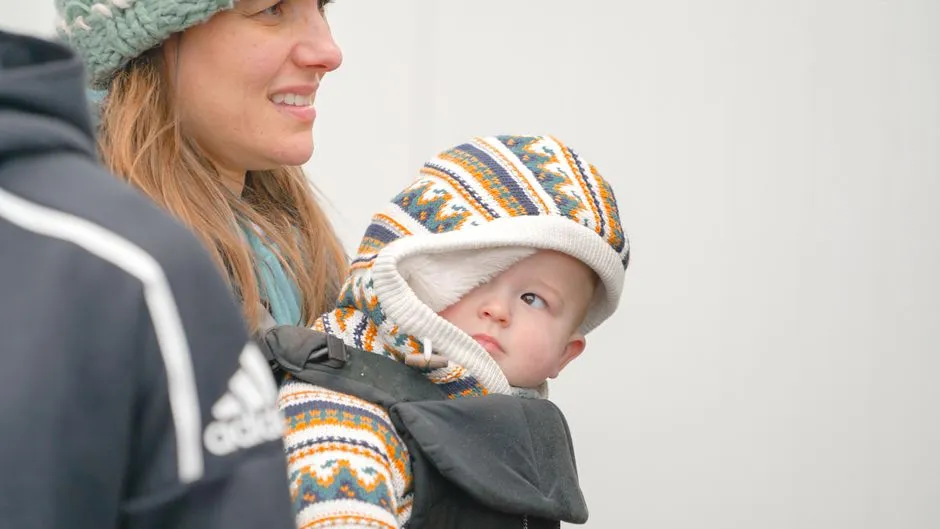
Fit a soft baby carrier only within the exact child size and developmental conditions.
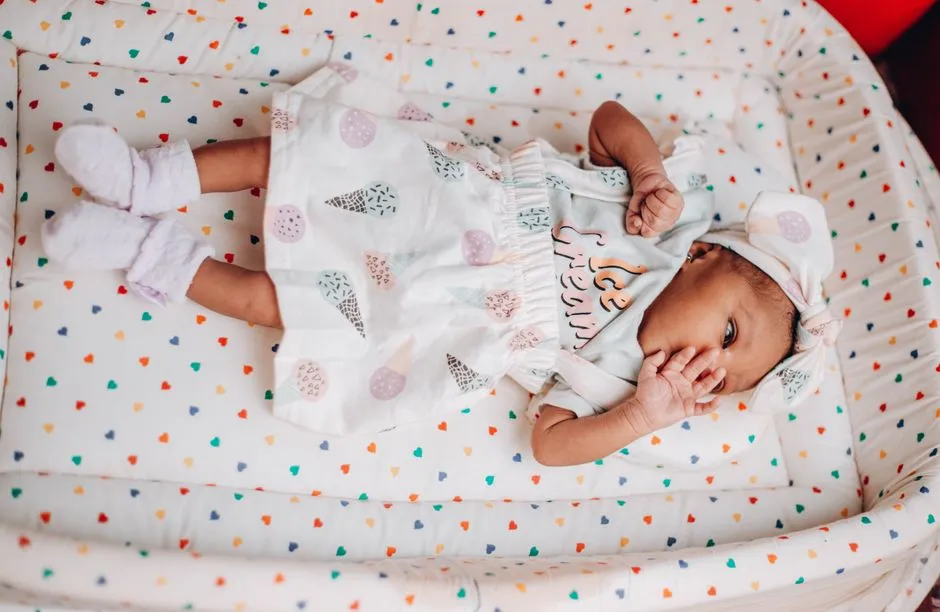
Retire a stroller when safe use cannot be verified: unresolved recall, unknown identity, exceeded child limits, structural cracks or bends, failed fold…
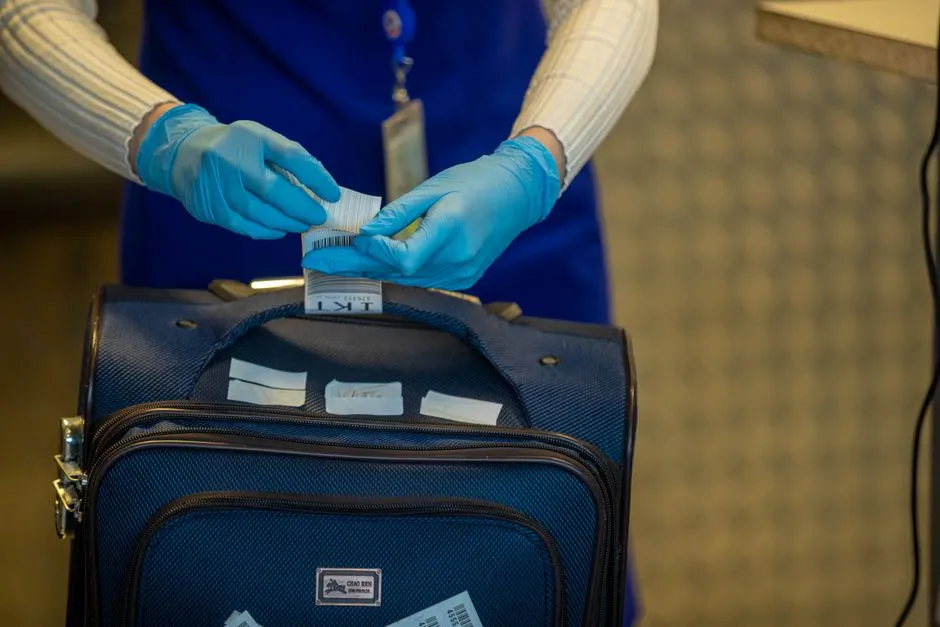
When an infant falls asleep in a stroller, keep the restraint correctly buckled until you can stop in a safe place, then move the baby to an appropriate…
Pack a stroller diaper bag for the specific child, route, duration, weather, feeding plan, and medical needs.
Prepare a stroller for air travel by checking the airline's current rules for gate, counter, or cabin handling, batteries, tags, bags, and claims.