How to Buy a Used Stroller Safely
Identify the exact stroller before discussing price
Buy a used stroller only after confirming its manufacturer, model, manufacture details, current manual, recall status, complete approved parts, and structural condition. Reject a product with unknown identity, missing restraint parts, unresolved recall, improvised repairs, or damage that prevents safe operation.
A low price cannot replace a buckle. It has no relevant engineering experience.
Ask for evidence before meeting
Request clear photos of permanent labels, full frame, seat, harness, buckle, brakes, wheels, fold joints, basket, adapters, and included accessories. Ask about purchase history, crashes or impacts, storage, water or heat exposure, repairs, missing parts, odors, pests, and reason for sale.
Download the manual from the official manufacturer source. Check the CPSC recall database using exact model and manufacture information. If a remedy applies, follow the official instructions; do not accept a seller's claim that a recall “probably does not matter.”
Inspect with the child elsewhere
Meet in a clean, well-lit, safe location and keep the child out of the stroller during evaluation. Compare every part with the manual. Inspect for:
- cracks, bends, corrosion, loose fasteners, or damaged welds
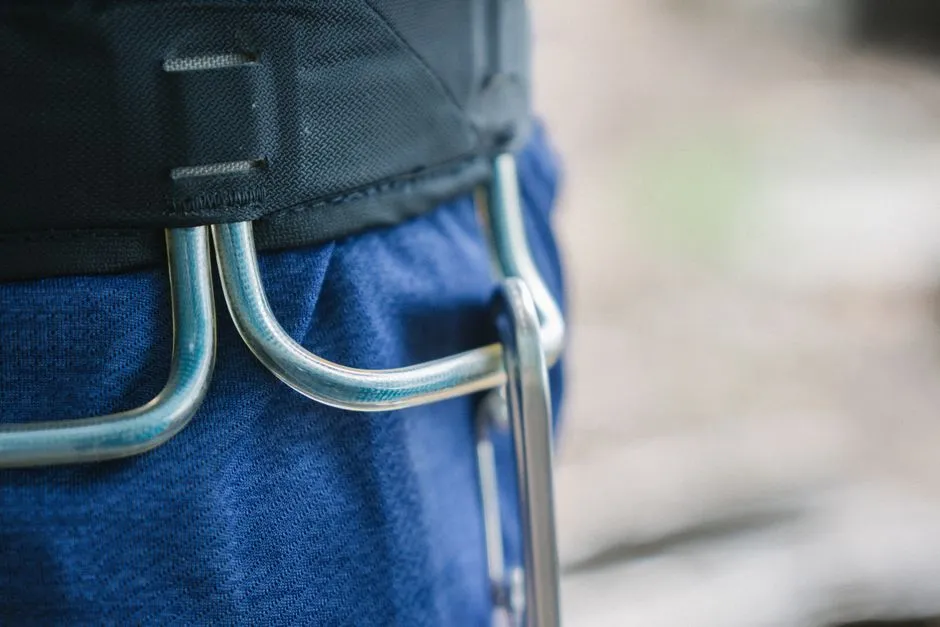
- frayed harness, cracked buckle, missing pads or anchors
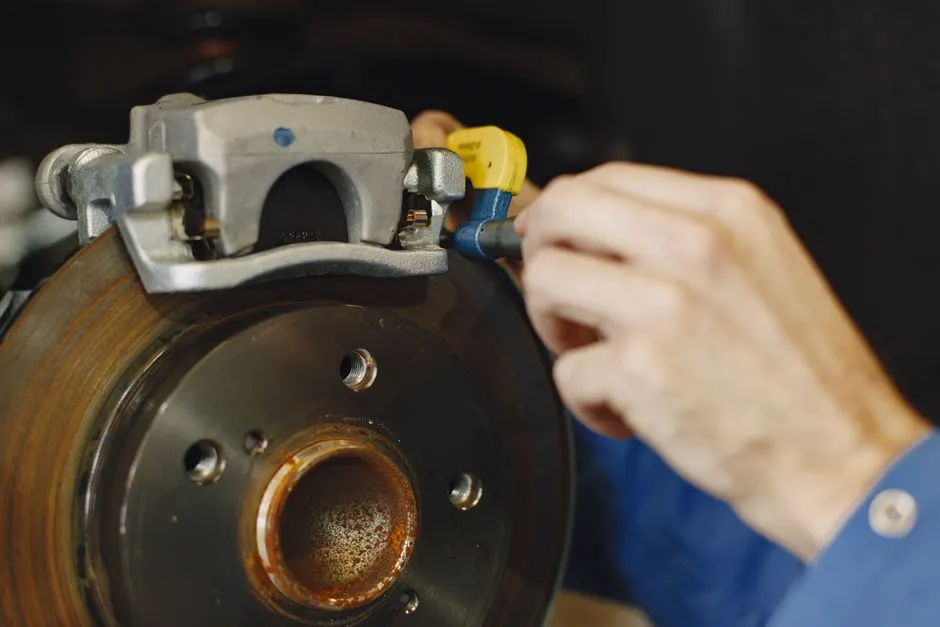
- worn wheels, loose axles, failed locks, or brake problems
- pinched fabric, broken recline, or fold-latch damage
- mold, pests, strong odor, unknown residue, or battery leakage
- aftermarket parts, drilled holes, tape, knots, or glue repairs
Cosmetic wear can be described; structural uncertainty should end the purchase.
Operate every function
With the stroller empty, open and confirm locks, engage and release brakes, steer, reverse, adjust approved positions, buckle and release the harness, access storage, fold, latch, lift by approved points, and unfold again. Follow harness and brake checks.
Do not force stuck parts or let the seller demonstrate with a child. If operation differs from the manual, stop.
Verify all accessories
Confirm that every adapter, bassinet, second seat, board, rain cover, or organizer is the exact approved part for that model and manufacture range. Check its own labels, limits, manual, and recalls.
Avoid homemade inserts, replacement straps, universal hooks, or unverified fasteners. Missing original parts should be replaced only through approved manufacturer support.
Include cleaning and service support
Review whether fabrics, harness, wheels, and frame can be cleaned by the manual without hiding damage. Do not buy first and plan to pressure-wash the evidence later.
Contact the maker about replacement parts, service, and registration transfer when needed. Apply recall registration before use.
Ask whether the stroller was disassembled for shipping or storage and compare reassembly with the manual. Missing washers, reversed axles, misplaced seat mounts, and unlatched fabric may be difficult to spot in listing photos. A seller who cannot explain loose structural parts is providing the answer, just not the one you hoped for.
Know when to walk away
Use stroller retirement signs for unresolved identity, recall, structure, contamination, or missing safety parts. Do not negotiate yourself into accepting a hazard because you already drove across town.
The safest secondhand deal is sometimes no deal. Another stroller will appear; the mysterious cracked frame does not need one final chance to express itself.
Parents also ask
How do I check whether a used stroller was recalled?
Record the manufacturer, exact model, manufacture date or code, serial or lot information, and photographs of permanent labels. Search the CPSC recall database and the manufacturer's official notices using those details. Similar names or colors are not enough. If a recall applies, follow the official remedy and do not use the product until that process permits it.
Can I replace missing stroller harness parts myself?
Use only the exact manufacturer-approved part and repair procedure for that model and manufacture range. Do not substitute buckles, sew webbing, knot straps, drill anchors, or copy a similar stroller. If the maker cannot confirm the required part and instructions, do not use the stroller. A restraint system is not an appropriate place for creative compatibility.
Is mold on a secondhand stroller cleanable?
Mold or unknown contamination requires material-specific assessment and can extend into foam, seams, padding, and inaccessible structure. Do not assume surface wiping restores the product. Follow manufacturer guidance and qualified health or remediation advice; for significant, inaccessible, or uncertain contamination, reject or retire the stroller rather than exposing a child during an experiment.
Independent guidance, not medical advice. We do not diagnose or recommend treatments or doses. For any concern about your baby, contact your pediatrician or local emergency service.