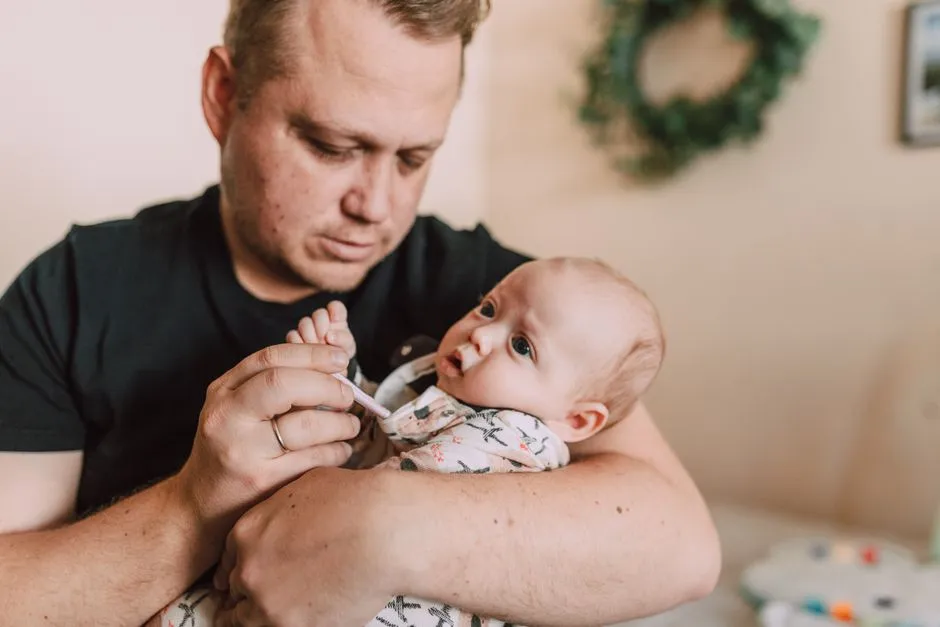
What Can Newborn Babies See? Vision and When to Call

What can newborn babies see?
Newborns see light, shapes, faces and movement, clearest about 8 to 12 inches away, according to the AAP. Your clinician assesses your baby. In England, seek urgent GP/NHS 111 help for suspected vision problems, a white pupil reflection, eye pain or swelling, or uncontrolled eye movements. Call 999 or go to A&E for very fast or difficult breathing, difficulty waking, a seizure, temperature 38C or higher under 3 months, or a non-fading rash. These are selected emergency signs.
When should you get urgent help?
In England, call 999 or go to A&E if your baby:
- Is breathing very fast or having difficulty breathing.
- Is difficult to wake or cannot be woken.
- Is having a seizure.
- Is under 3 months old with a temperature of 38C or higher.
- Has a rash that does not fade when pressed.
These are selected signs from the NHS emergency list. Get immediate medical help if your baby is unwell and you think something is seriously wrong.
In England, ask for an urgent GP appointment or call NHS 111 for:
- A white glow or reflection in the pupil, the centre of the eye.
- A swollen eye.
- Suspected problems with vision.
- A painful eye.
- Uncontrolled eye movements.
These five triggers come from the NHS retinoblastoma symptoms page. Assessment is needed even if your baby otherwise seems well.
If you are worried about your baby right now, you do not need a reason that satisfies anyone. Call your pediatrician, your local out-of-hours service, or your emergency number. Trusting your instinct is the correct response.
What does a close-up view mean?
The American Academy of Pediatrics' vision guide describes blurry distance vision in the early weeks. Its 8-to-12-inch range is about 20 to 30 cm, roughly the distance between your faces while feeding. It says newborns can detect movement as well as light, shapes and faces.
That is a description of typical development, not a measured result for your baby. This page explains general guidance. Your own clinician, who knows your baby's history, decides what a concern means. The emergency routes above describe England, while AAP recommendations are identified as US guidance.
As a mother of three, I want that distinction kept clear. There is a difference between understanding a general description and being told that a particular baby is fine. You should not have to turn your own worry into medical language before asking for help.
Why do faces and bold patterns attract attention?
In its one-month development guide, the AAP lists a preference for human faces over other patterns, and for black-and-white or high-contrast patterns. High contrast means a strong difference between neighbouring areas, such as black beside white. Those are visual preferences, not a score for intelligence or proof that eyesight is normal.
Our practical reading of that guidance is to avoid turning a pattern preference into a shopping requirement. A product description saying “high contrast” does not establish that the product was tested for this article. We have not tested vision toys or identified a purchase that a parent must make.
If a claim promises to accelerate development, ask what evidence supports that particular promise. The cited milestone list describes typical behaviour. It does not establish an outcome for a commercial product or a daily training programme.
What if your baby only looks briefly?
Bradford District Care NHS Foundation Trust's Ready to Relate guidance says periods of mutual gaze can be short. It advises against forcing eye contact, particularly when a baby is hungry, tired or upset. When a baby looks at you, its examples include smiling, gently singing or allowing time for a response.
The same guidance says to follow the baby's cues: when they look away or close their eyes, let them have a break. This describes responsive interaction, not a home vision assessment.
I would keep the conversation about connection separate from a conversation about concern. You can enjoy an ordinary moment together and still ask a professional about something you have noticed. You do not need to collect a successful-looking moment as evidence against your own question.
When does eye wandering need advice?
The NHS squint page defines a squint as eyes pointing in different directions. Get advice if it happens all the time, or if your baby is older than 3 months and it comes and goes. A GP, health visitor or local optician can refer onward.
The NHS says intermittent squints below that age are common and usually not concerning, but it also says to seek advice for any vision concern. Keep both parts together. A constant turn does not acquire a waiting period because the baby is young.
There is a real wording difference between sources. The AAP warning-signs page highlights regular crossing or drifting after 4 months. The NHS boundary above is earlier, so use that earlier advice-seeking threshold rather than waiting for the later age.
What changes beyond the newborn weeks?
The AAP warning-signs guide says that by about 3 months babies should track a moving object. Tell your child's doctor if they cannot make steady eye contact by then or seem unable to see. The same page says to contact the doctor about any vision concern. Do not wait for an age marker when you already have one.
These are general developmental descriptions, and a clinician assesses a specific baby. Our first-year milestone reference explains the broader difference between developmental descriptions and individual assessment. A list should help you frame a question, not decide its answer.
Can a newborn have an eye test without speaking?
Yes. The NHS eye-test guide says children can have an eyesight test at any age, without being able to read or speak. It describes professionals assessing a baby's attention to objects and examining the eyes with appropriate instruments. Letter charts are not the only way to investigate vision.
This is appointment literacy, not instructions to shine a light into your baby's eyes or reproduce an examination. Ask the professional what they are checking and what the finding means.
The NHS also highlights the importance of an eyesight test where there is a family history of childhood eye problems. Tell the professional about relevant history, rather than deciding yourself whether it changes your baby's risk.
For the wider early-care context, our first-weeks reference covers separate questions about feeding, nappies and other newborn changes.
Does the newborn physical check tell how well a baby sees?
England's physical-screening parent leaflet is explicit: the eye examination checks appearance but cannot tell how well the baby can see. Its main eye-screening purpose is identifying cataracts, where the lens is clouded.
The leaflet says the professional gives the results and discusses any referral, with findings recorded in the baby's medical record and red book. Ask what was actually checked rather than treating “eyes checked” as an answer to every later visual question.
In US guidance, the AAP screening page recommends eye checks beginning in the newborn period and continuing through well-child visits. Premature babies may need specialized examinations. Some eye problems have no noticeable symptoms, so follow up a referral even when you have not noticed a difficulty yourself. Your baby's team decides their examination and follow-up needs.
How can you explain what you have noticed?
Use ordinary descriptions. These are optional wording prompts, not a screening form:
| Note | What to record |
|---|---|
| Your observation | What you actually saw, in your own words |
| Timing | When you noticed it, without guessing an onset date |
| Context | What was happening at the time |
| Your question | What you want the professional to explain |
| Their answer | The assessment and next contact they actually give you |
Keep an observation separate from an interpretation. “I noticed this movement” is your account. “This means a particular condition” is not something this worksheet can establish. Leave unknowns marked unknown. Do not postpone seeking help to complete notes.
Sources
Opened and read 14 September 2026, Jerusalem time. Publication dates below are the pages' own dates, not new clinical reviews by this site.
- AAP: Infant vision development. Updated 5 November 2024. Early visual abilities and distance.
- NHS: Urgent help under five. Reviewed 6 August 2026. Selected emergency signs.
- NHS: Retinoblastoma symptoms. Reviewed 2 May 2023. Urgent eye-symptom routing.
- NHS: Squint. Reviewed 2 May 2023. Constant and intermittent turns.
- AAP: One-month development. Updated 21 April 2026. Face and pattern preferences.
- Bradford District Care NHS: Mutual gaze. No review date displayed. Responsive interaction only.
- AAP: Vision warning signs. Updated 11 November 2024. Tracking and concern boundaries.
- NHS: Eye tests for children. Reviewed 7 March 2023. Professional testing and family history.
- NHS England: Physical-screening leaflet. Updated 3 June 2026. Examination limits and records.
- AAP: Vision screenings. Updated 31 March 2022. Routine checks and referrals.
Parents also ask
How far can a newborn see most clearly?
The AAP describes the clearest view at about 8 to 12 inches, roughly face-to-face feeding distance. Distance vision is blurry in the early weeks. Ask your clinician about concerns instead of treating a distance estimate as a home eye test.
Should I wait if my newborn's eyes look crossed?
Get advice for a constant turn at any age. The NHS also advises getting help for an intermittent squint after 3 months. Do not use the AAP's later four-month wording to postpone that earlier threshold. A GP, health visitor or local optician can arrange referral to an eye specialist.
What should I do about a white pupil reflection?
In England, ask for an urgent GP appointment or call NHS 111. The NHS includes a white pupil reflection, including in photographs, in its urgent advice. A child may otherwise seem well. This needs professional assessment, not an online diagnosis.
Does a preference for high contrast mean I need special toys?
The AAP describes a preference for human faces and high-contrast patterns in its one-month guide. That is not evidence that a particular toy improves vision. This article does not recommend a purchase or report product testing. Keep questions about your baby's visual development separate from claims on a toy's packaging.
Does the newborn physical examination measure eyesight?
England's screening leaflet says its eye examination checks appearance but cannot tell how well a baby sees. Ask what was checked and what follow-up is planned. A recorded examination should not prevent you raising a later concern. Your own clinician interprets findings in the context of your baby's history.
Independent guidance, not medical advice. We do not diagnose or recommend treatments or doses. For any concern about your baby, contact your pediatrician or local emergency service.