Choose a Stroller for Your Daily Routine
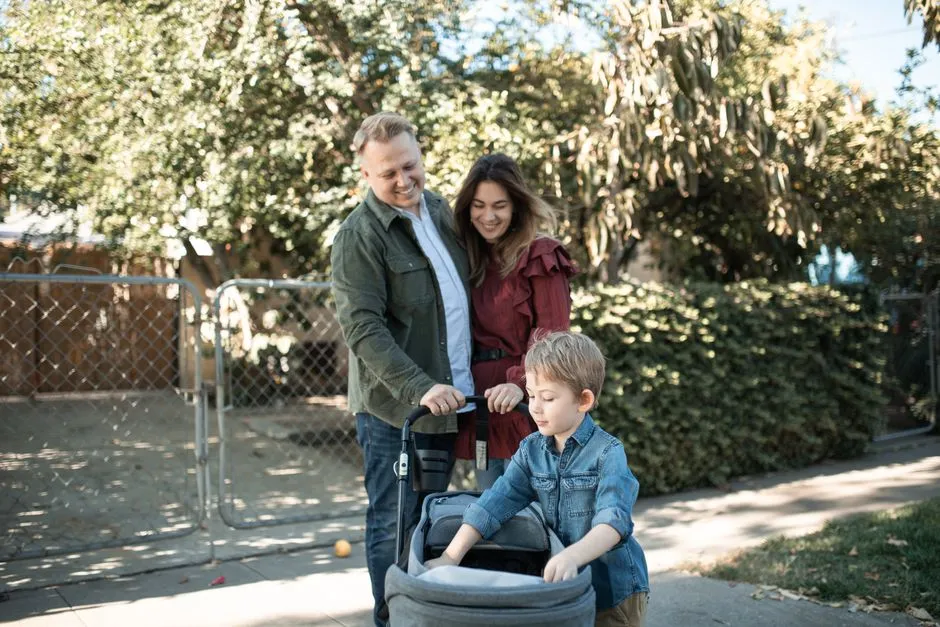
Map the trip before comparing features
Choose a stroller by writing down the routes you repeat, the child and caregiver needs, the surfaces and obstacles, and where the stroller must fold and live. Then compare only products whose current instructions support the child, configuration, and intended use.
A cup holder is pleasant. It should not defeat the doorway, trunk, staircase, and bus stop in the first round of interviews.
Audit one ordinary week
List each recurring trip: neighborhood walk, childcare, transit, vehicle, shop, clinic, park, or travel. For each, note:
- distance and surface
- curbs, stairs, lifts, and narrow doors
- vehicle trunk or home storage opening
- adult height, grip, strength, and mobility needs
- child age, development, and product limits
- weather, cargo, and sibling needs
- where folding must happen and whether another adult helps
Use measurements from the actual tight spaces. “It should fit” is not a measurement; it is a sentence spoken immediately before reorganizing the entire trunk.
Choose the category after the route
A full-size stroller may offer a larger seat, basket, or wheel package, while a compact design may prioritize folding and carrying. Actual features and limits vary by model. See full-size and compact tradeoffs without assuming every member of a category behaves alike.
For uneven paths, compare wheel design, maneuvering, and manufacturer-approved terrain through the terrain checklist. A jogging appearance does not authorize running; use a product for jogging only when its instructions explicitly allow it and all stated child and setup conditions are met.
Read the complete use conditions
Check the current manual and permanent labels for child weight, height, developmental, seat, recline, configuration, accessory, and terrain limits. Confirm which positions are allowed and whether a bassinet, car seat, adapter, rider board, or second seat is specifically compatible.
Register the product and check current recalls. Do not use a recalled product except according to the official remedy instructions.
Test the caregiver fit
Adjust the handle only through approved positions. Walk, turn, stop, reverse, operate the brake, buckle the harness, recline the seat, access the basket, fold, lift, and unfold. Test with realistic legal store weights or approved demonstration loads, never with a child during an uncertain setup.
Use the fold test to check pinch points, latch confirmation, standing stability when folded, and the actual lift into storage.
Compare safety workflow, not convenience alone
The harness should be usable correctly every ride. Brakes, locks, adapters, and seat attachments need clear confirmation. Bags must go only where and within limits the manual permits; hanging weight from handles can change stability.
Strollers are transportation devices, not routine sleep spaces. If an infant falls asleep, follow current safe-sleep guidance and move them to an appropriate firm, flat, non-inclined sleep surface as soon as safe and practical.
Make the decision with a route scorecard
Score each candidate on child compatibility, caregiver operation, home and vehicle fit, terrain, transit, storage, cleaning, repair support, recalls, and total cost of required approved accessories. Reject any product with an unknown identity, missing manual, incomplete restraint, structural damage, or unclear compatibility.
The winning stroller is not the one with the longest feature page. It is the one you can use correctly on a tired Tuesday while the snack has somehow entered the harness buckle again.
Parents also ask
Do I need more than one stroller?
Not necessarily. Begin with the routes you repeat and see whether one model safely covers the child, caregiver, terrain, transport, and storage needs. A second stroller may add convenience for a genuinely different use, but it also adds cost, maintenance, recalls, and storage. Do not buy a category label before identifying the trip it solves.
How can I tell whether a stroller fits my trunk?
Measure the trunk opening, narrowest internal dimensions, and usable space around other required items. Compare those measurements with the stroller's folded dimensions from current manufacturer information, then physically test the exact configuration when possible. Include wheels or seats that the manual requires to remain attached and practice the lift without twisting or blocking vehicle safety equipment.
Should I choose a stroller based on my baby's future needs?
Future compatibility matters only when the manufacturer currently approves the relevant child range, seat, and configuration. Do not use a product before the child meets every stated developmental and size condition, and do not assume an accessory will remain available. Choose for safe present use first, then value documented approved configurations that match realistic future routes.
Independent guidance, not medical advice. We do not diagnose or recommend treatments or doses. For any concern about your baby, contact your pediatrician or local emergency service.